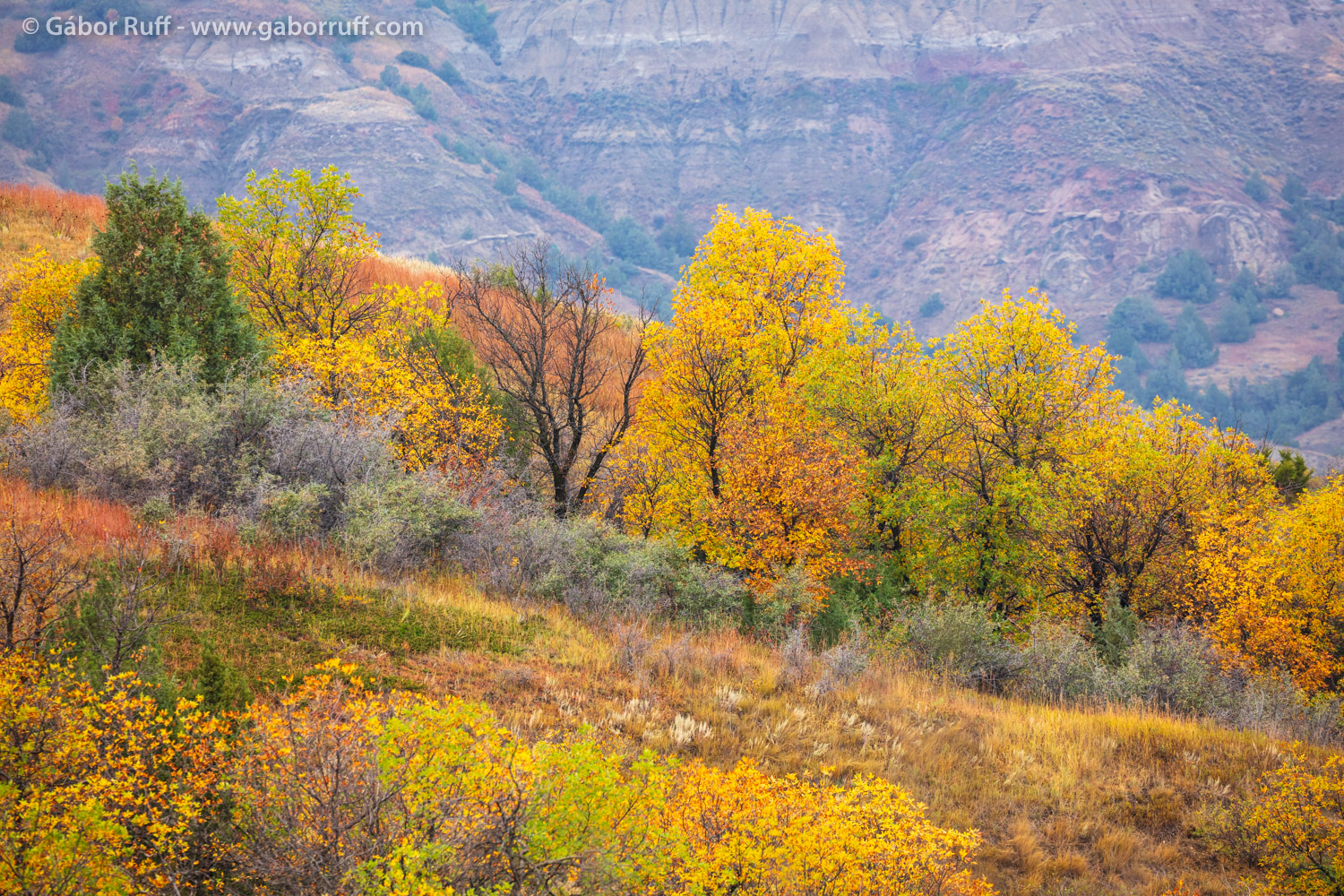
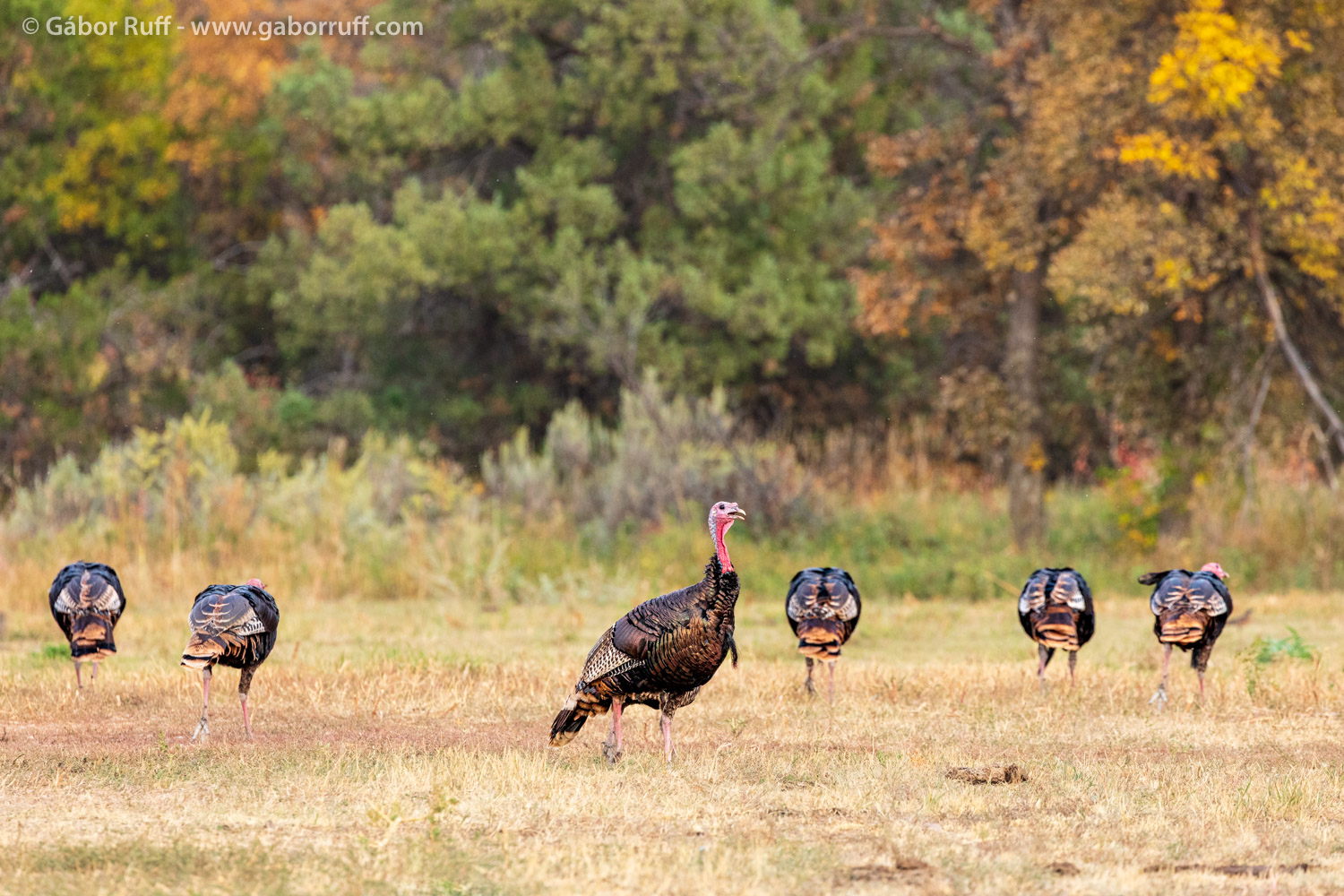
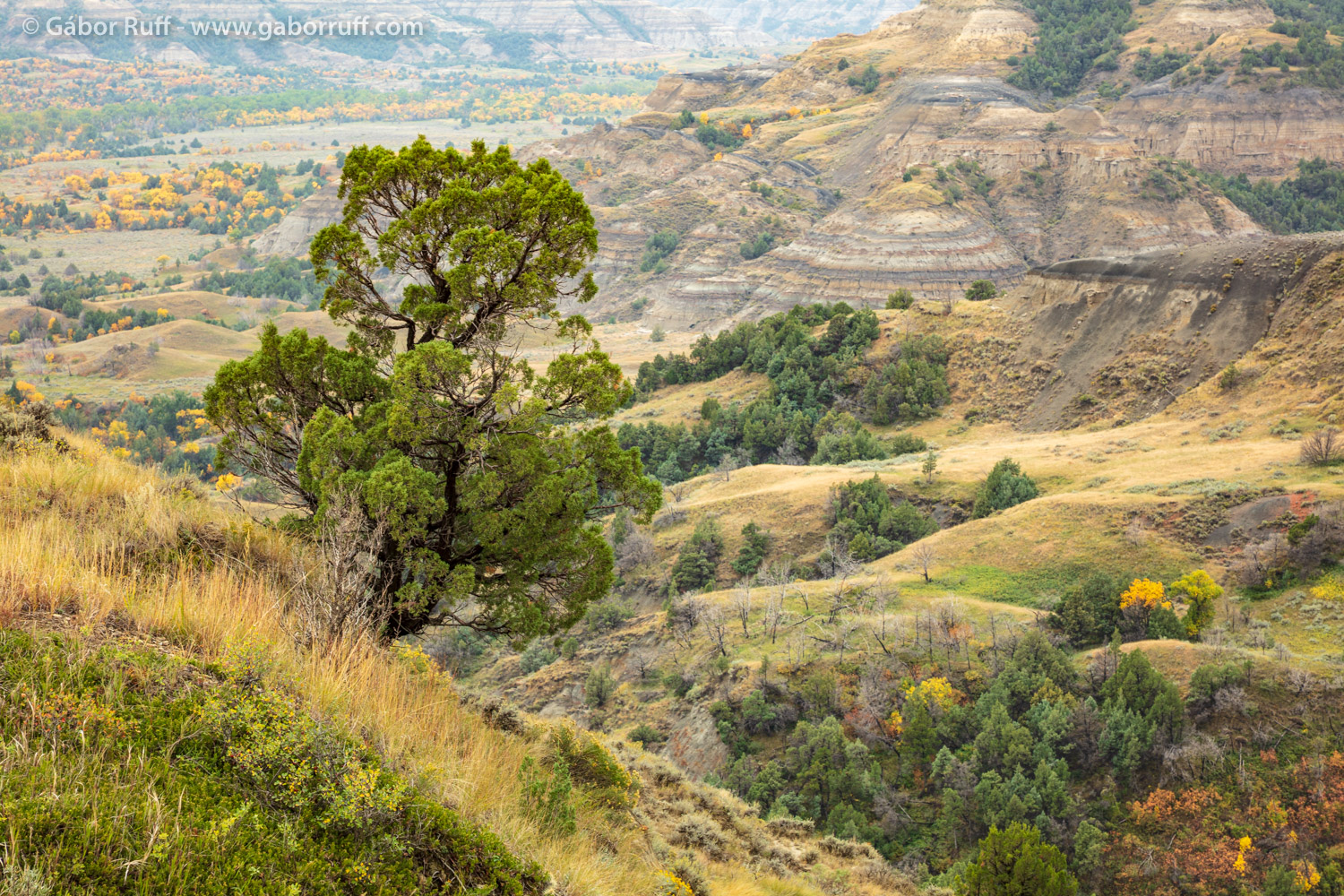
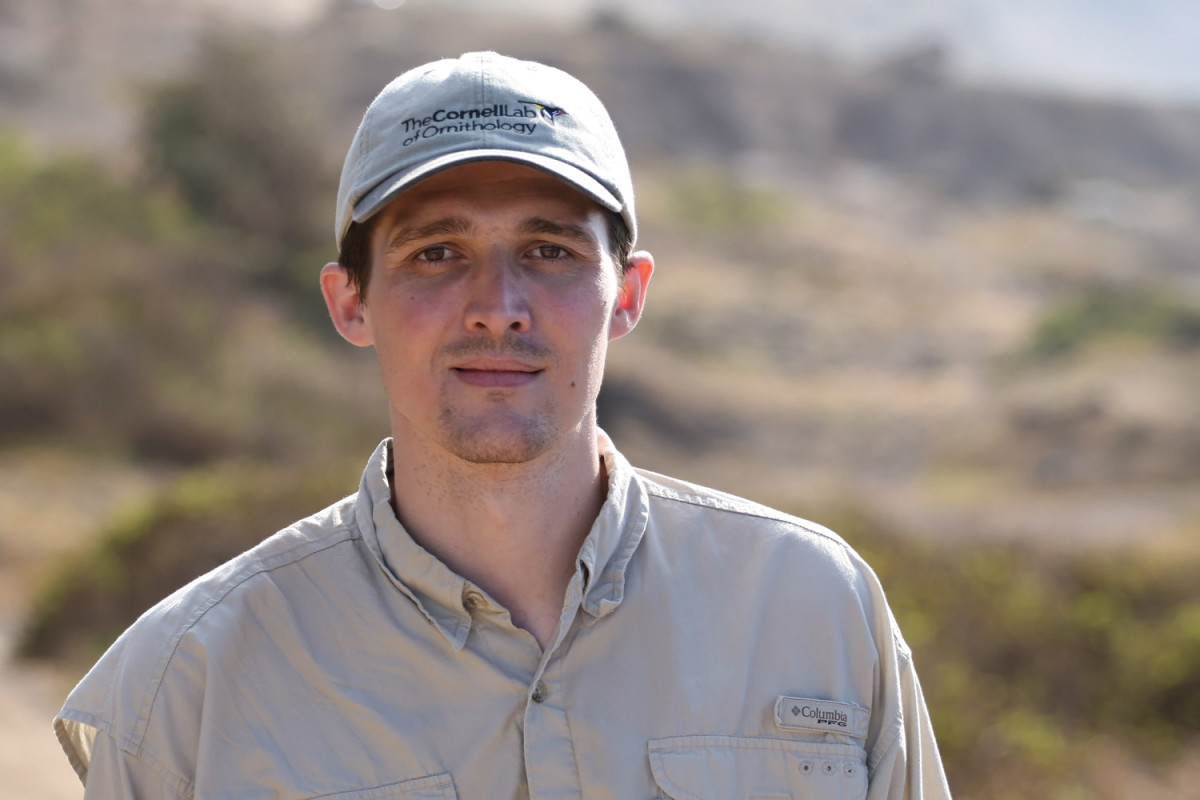
As we drove back to Connecticut from our recent western road trip, we stopped by Theodore Roosevelt National Park in North Dakota (map). We had already visited this park in 2021 during our Yellowstone Road Trip, and we didn’t want to miss it this time either. “The Teddy,” as we call it, has fantastic badlands, great wildlife-viewing opportunities, and far fewer visitors than more popular national parks such as Glacier or Mount Rainier. The park was named after Theodore Roosevelt, the conservationist president who lived in this area in the late 19th century. He fell in love with its rugged beauty and wanted to protect it. His experiences in North Dakota helped shape his lifelong commitment to conserving wildlife and public lands.
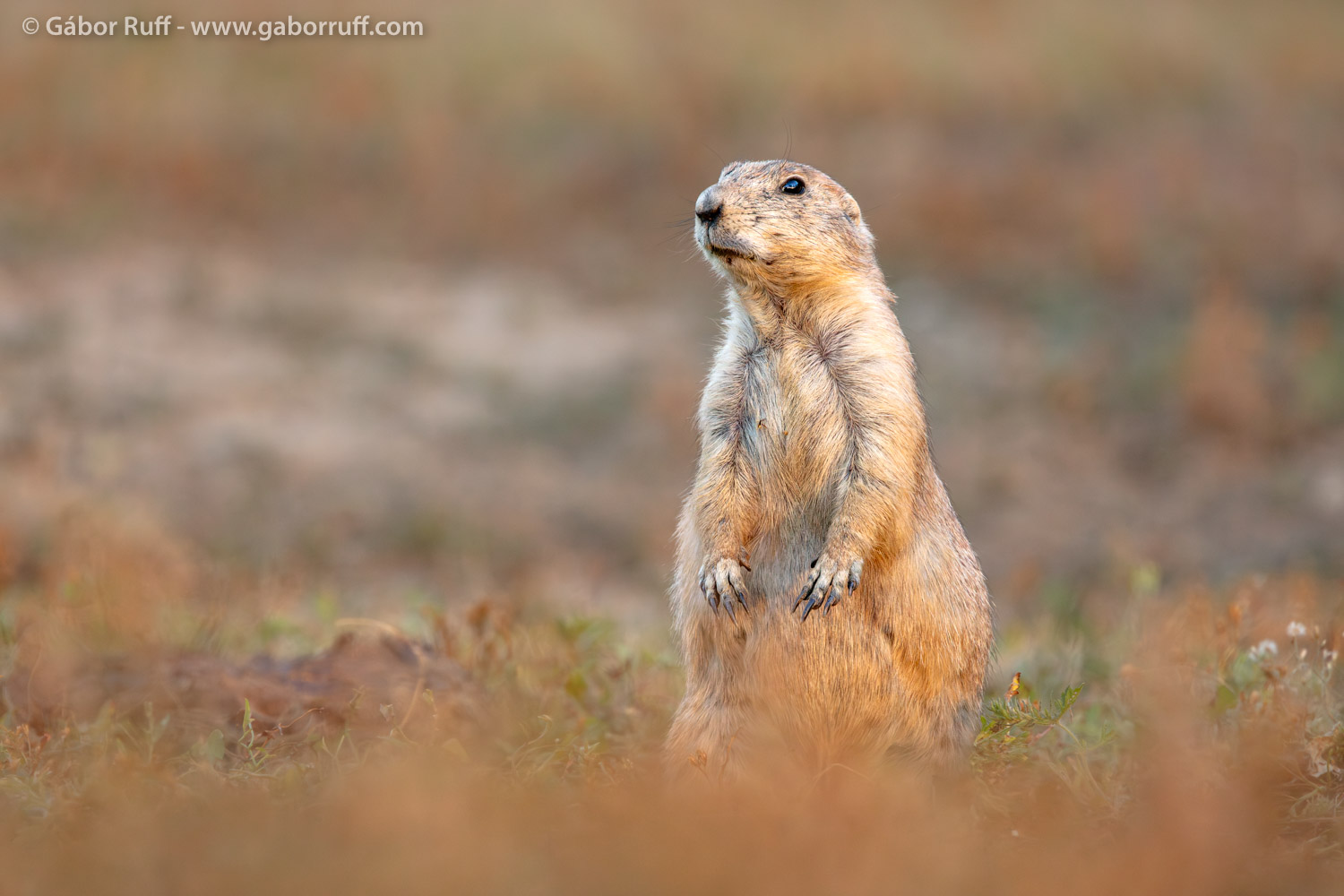
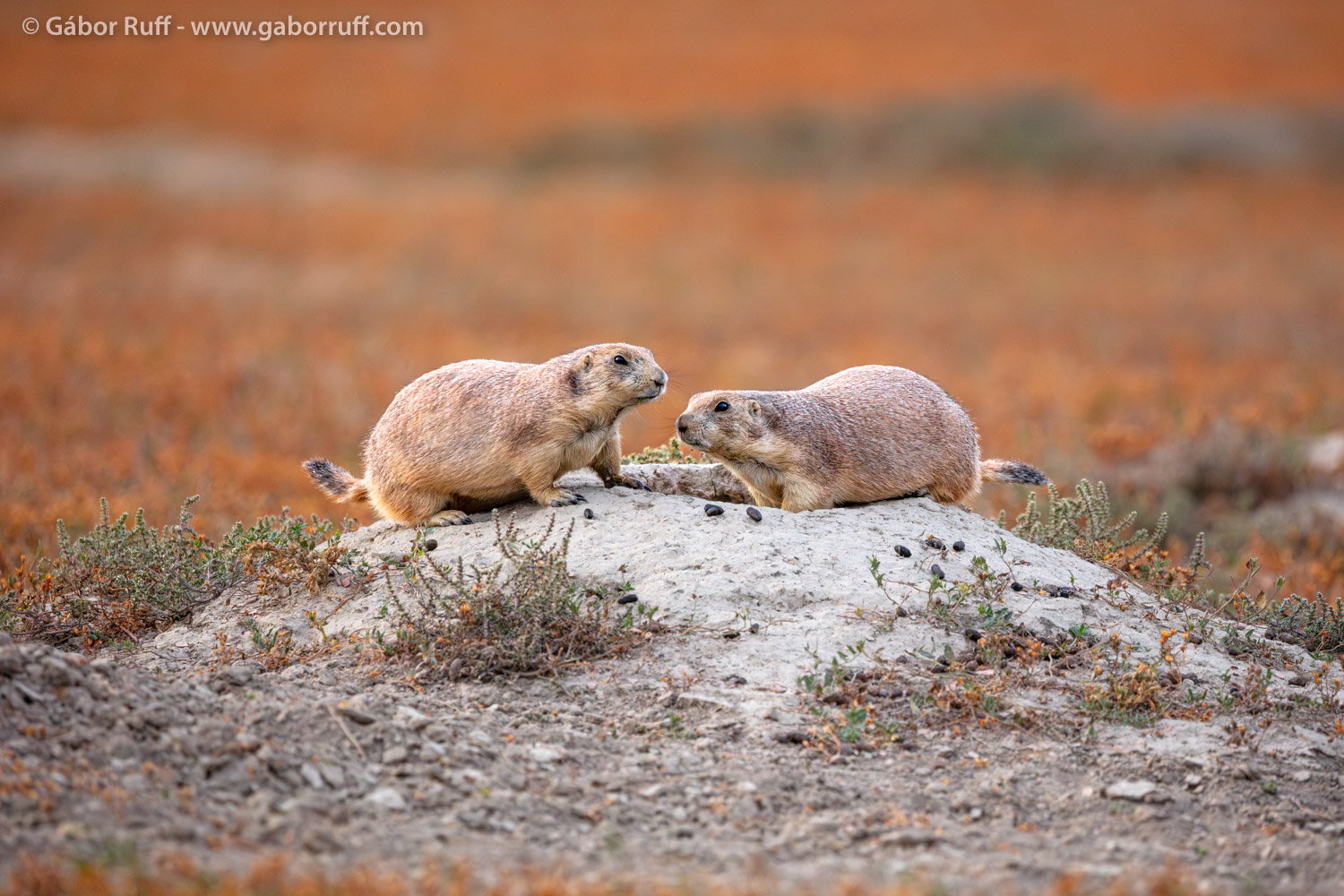
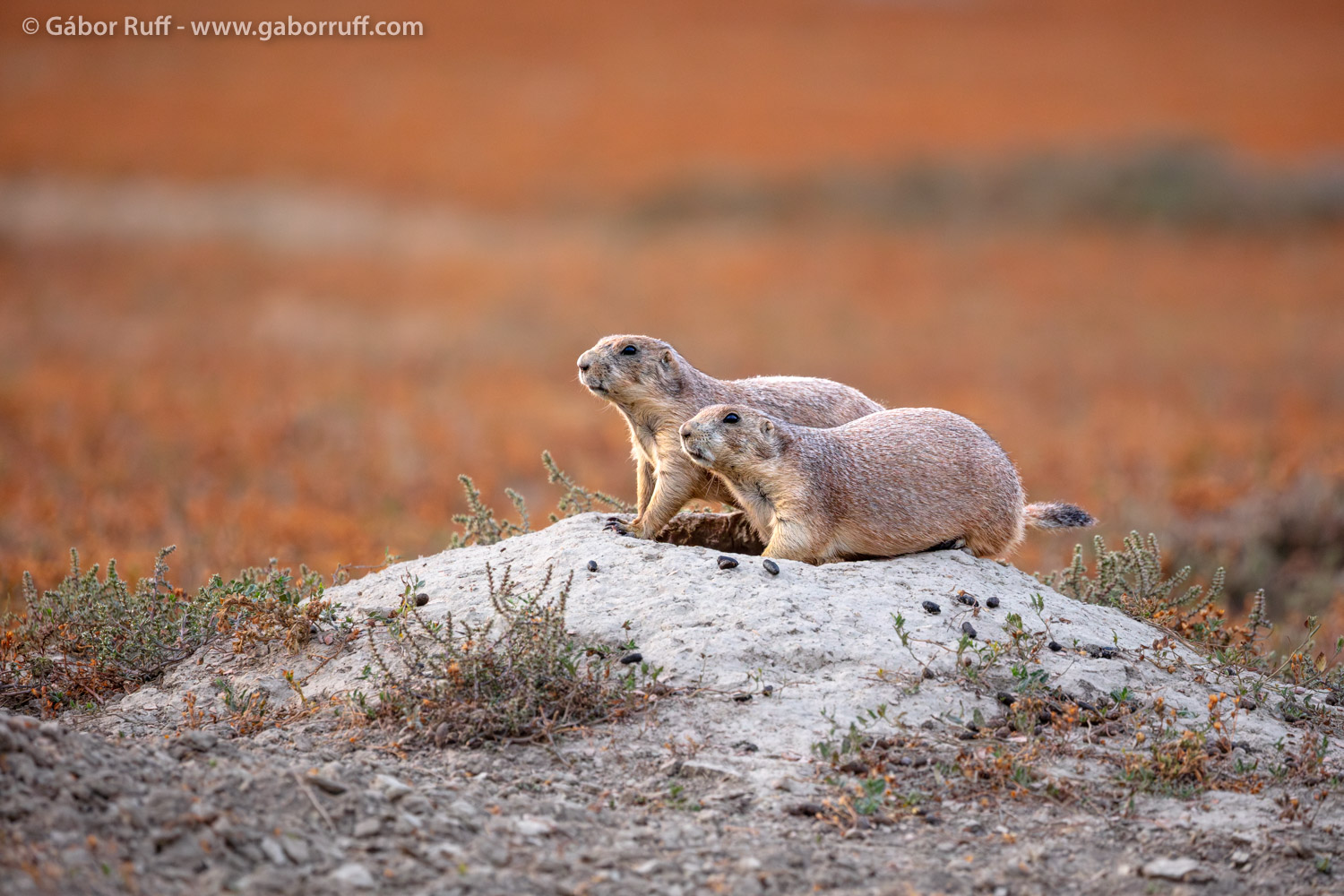
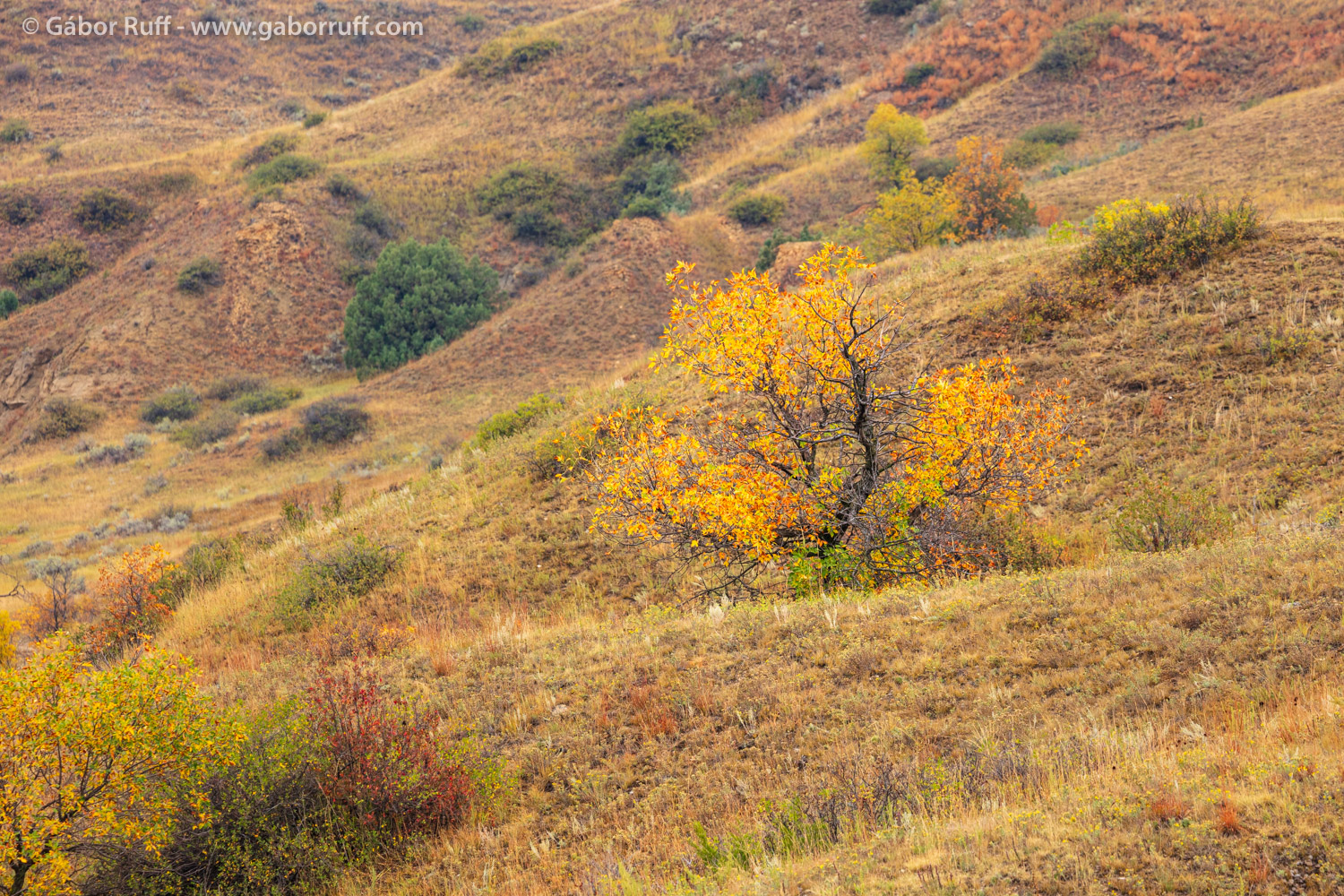
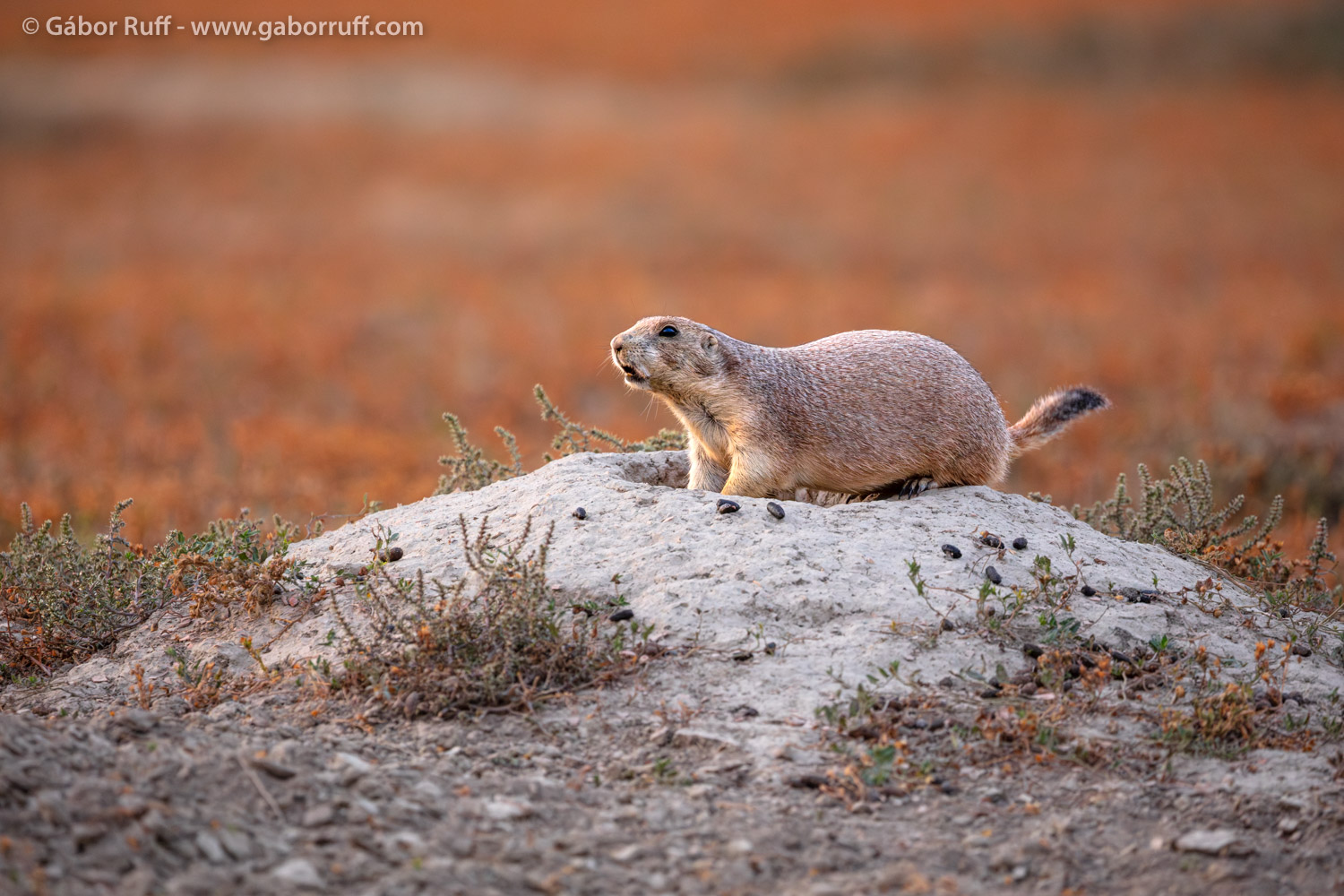
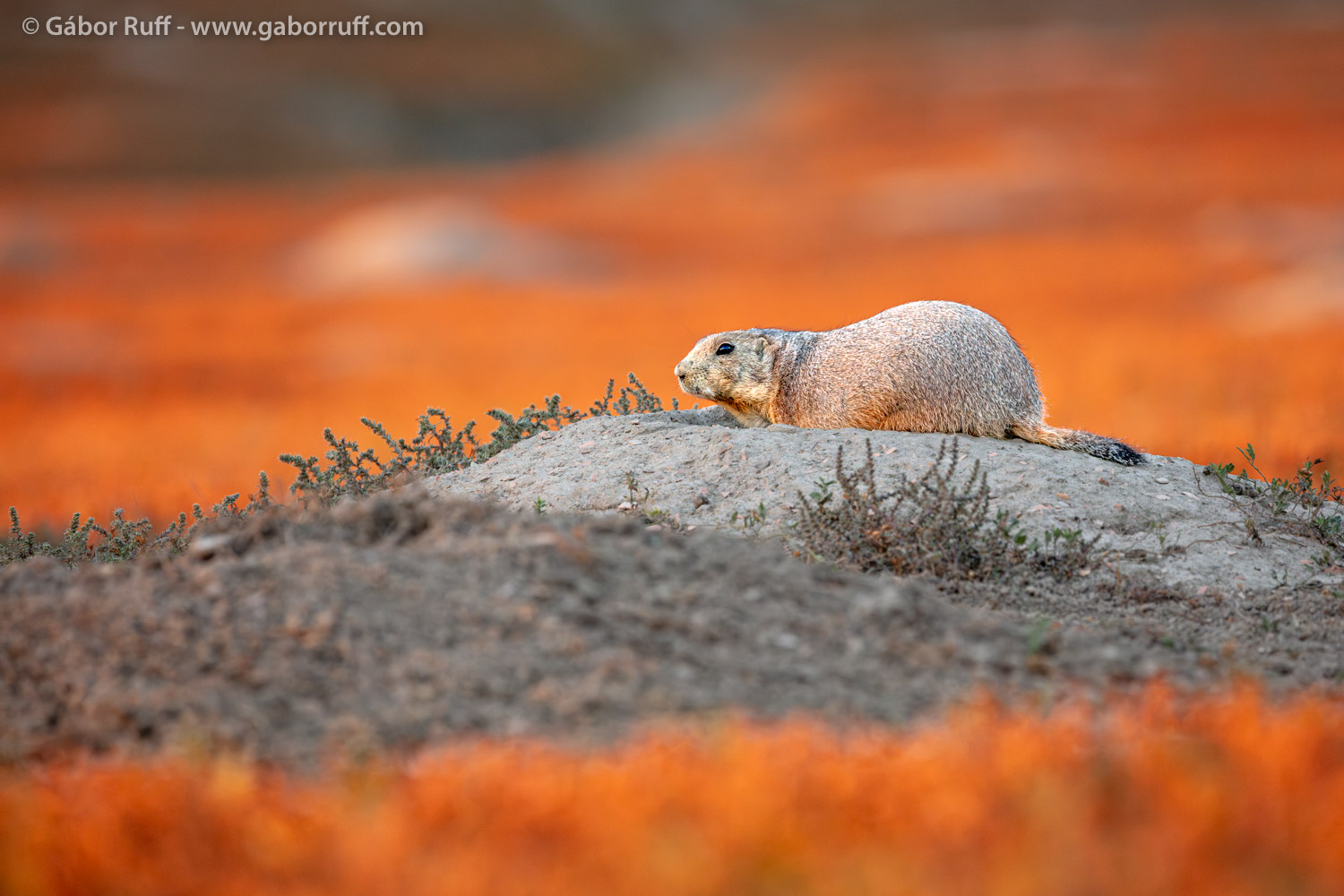
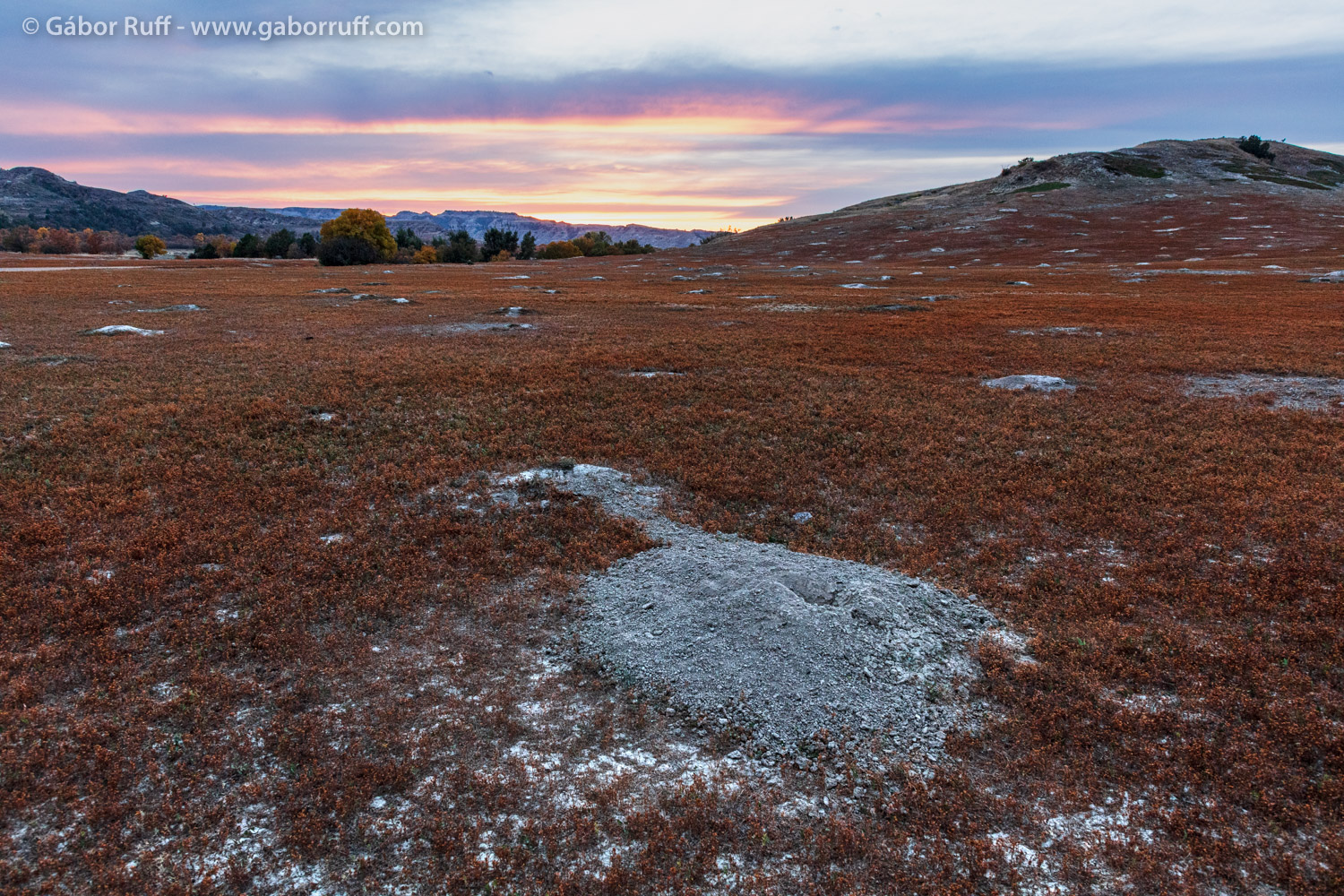
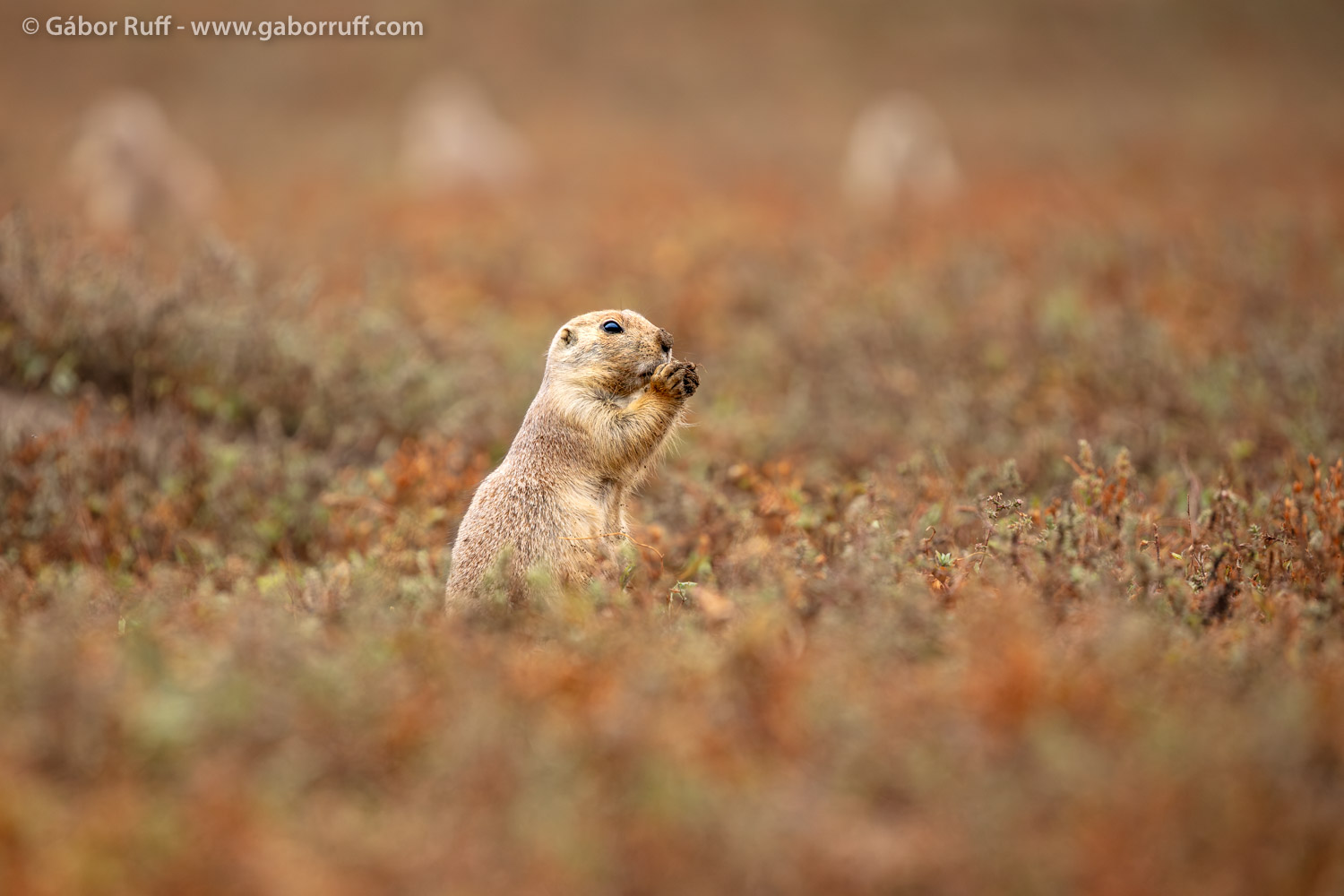
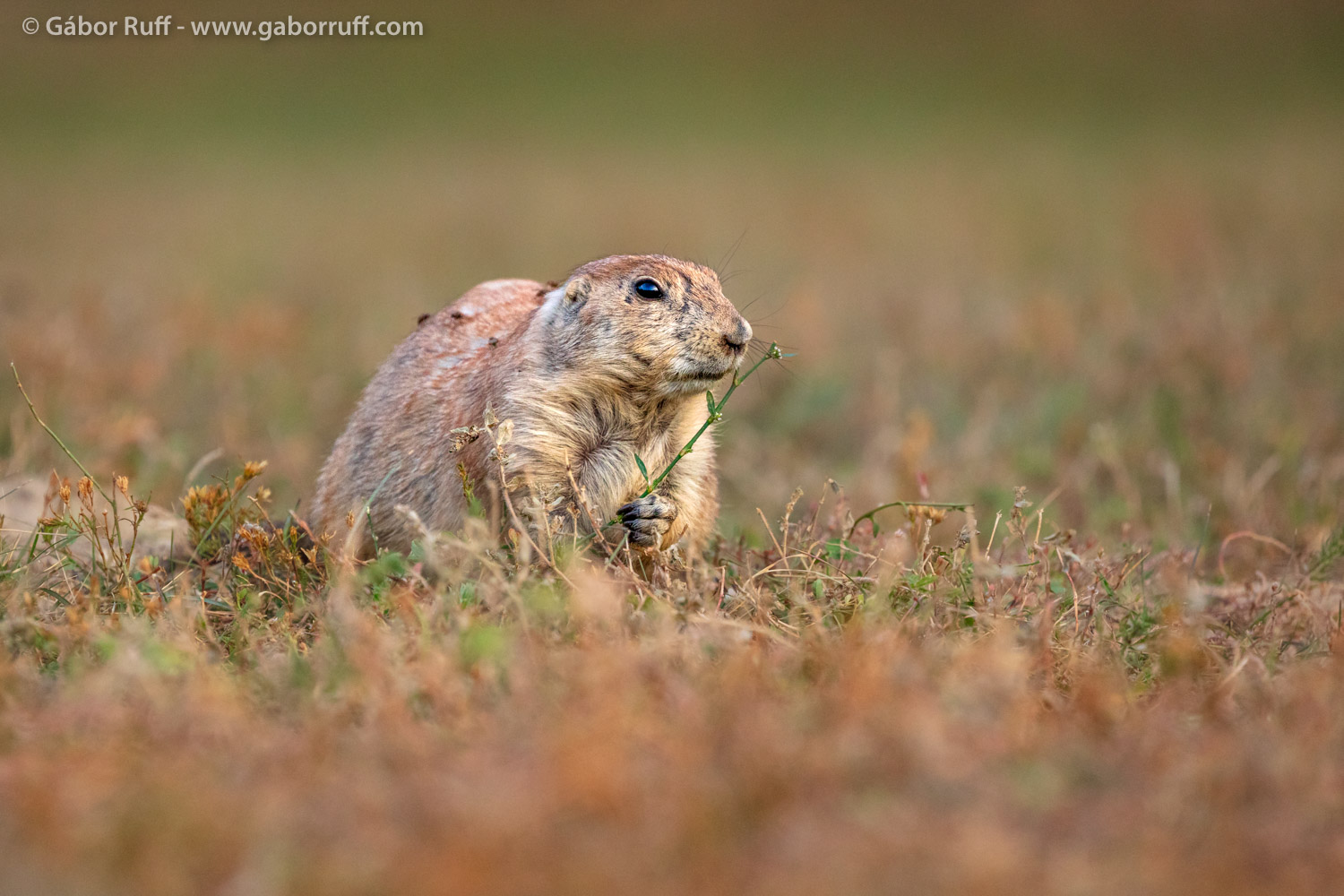
We arrived on a Saturday afternoon to find a slightly larger crowd than we remembered, but it was still easily manageable. We headed to the park’s South Unit, where we enjoyed the fall landscape. Our main goal, though, was to see the prairie dogs. The black-tailed prairie dogs (Cynomys ludovicianus) live in large prairie dog towns, making them easy to observe. They’re not exactly afraid of humans, but they do prefer to keep a comfortable distance. The best way to watch or photograph them is to sit quietly and wait. If they sense you’re not a threat, they might come surprisingly close while foraging.
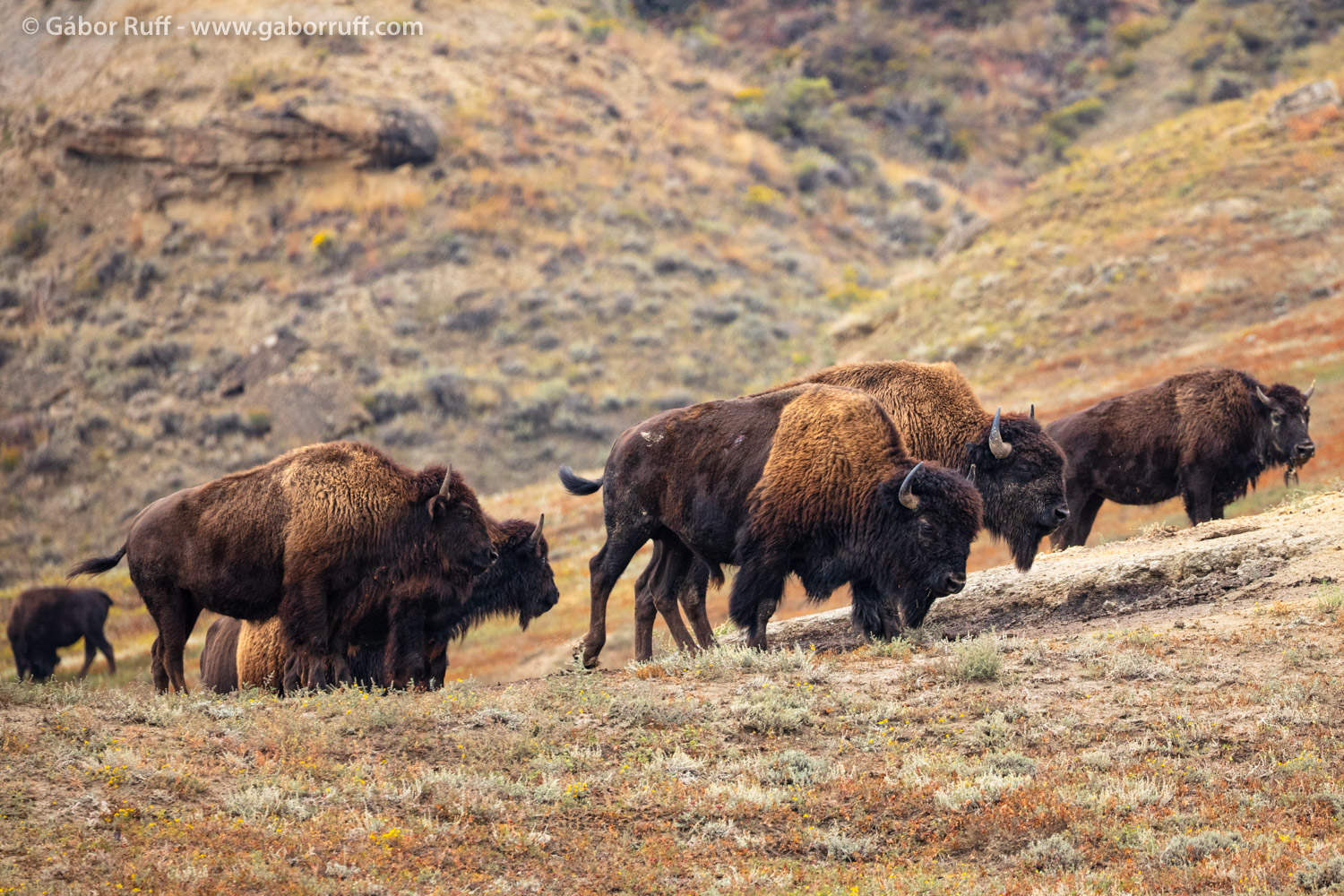
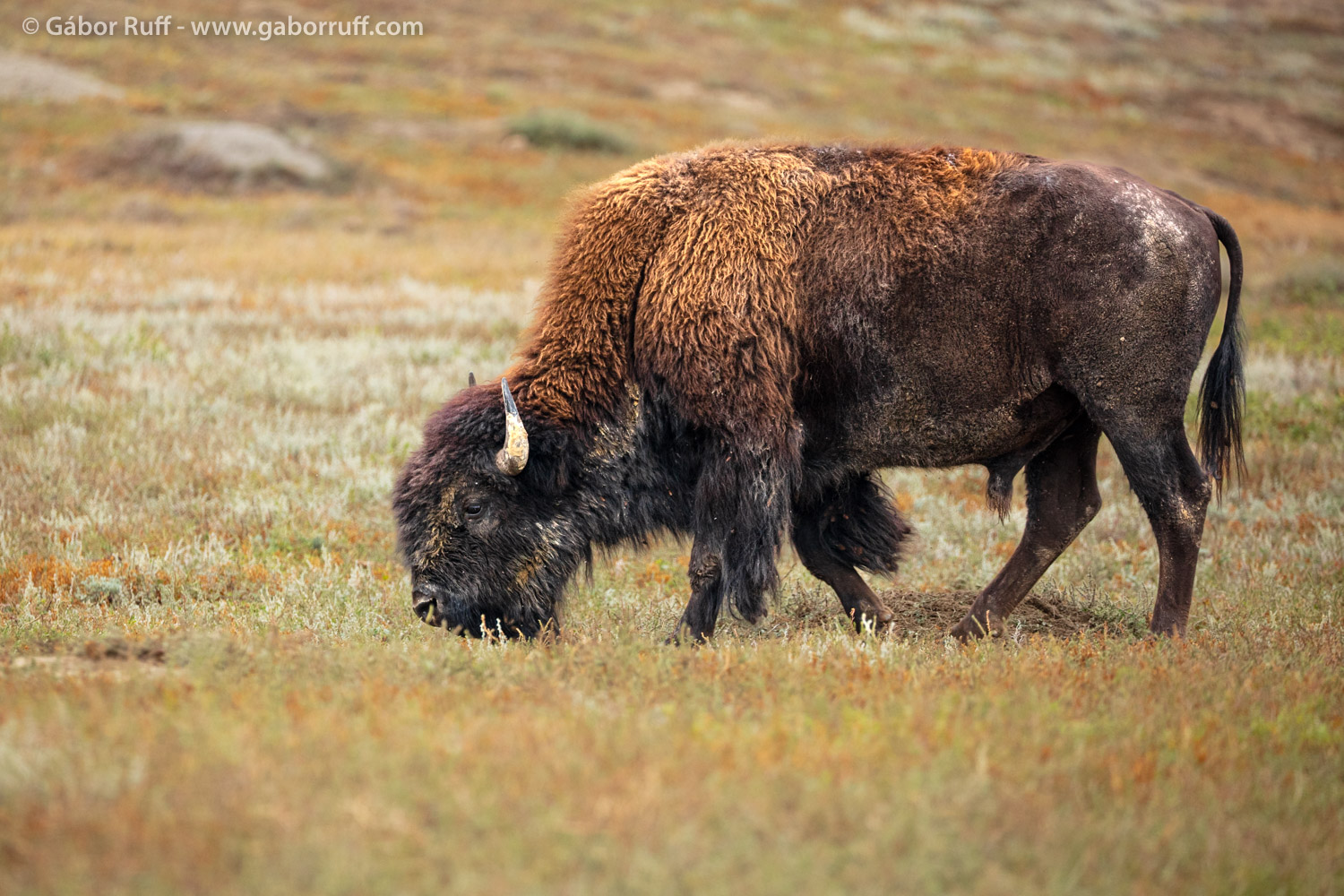
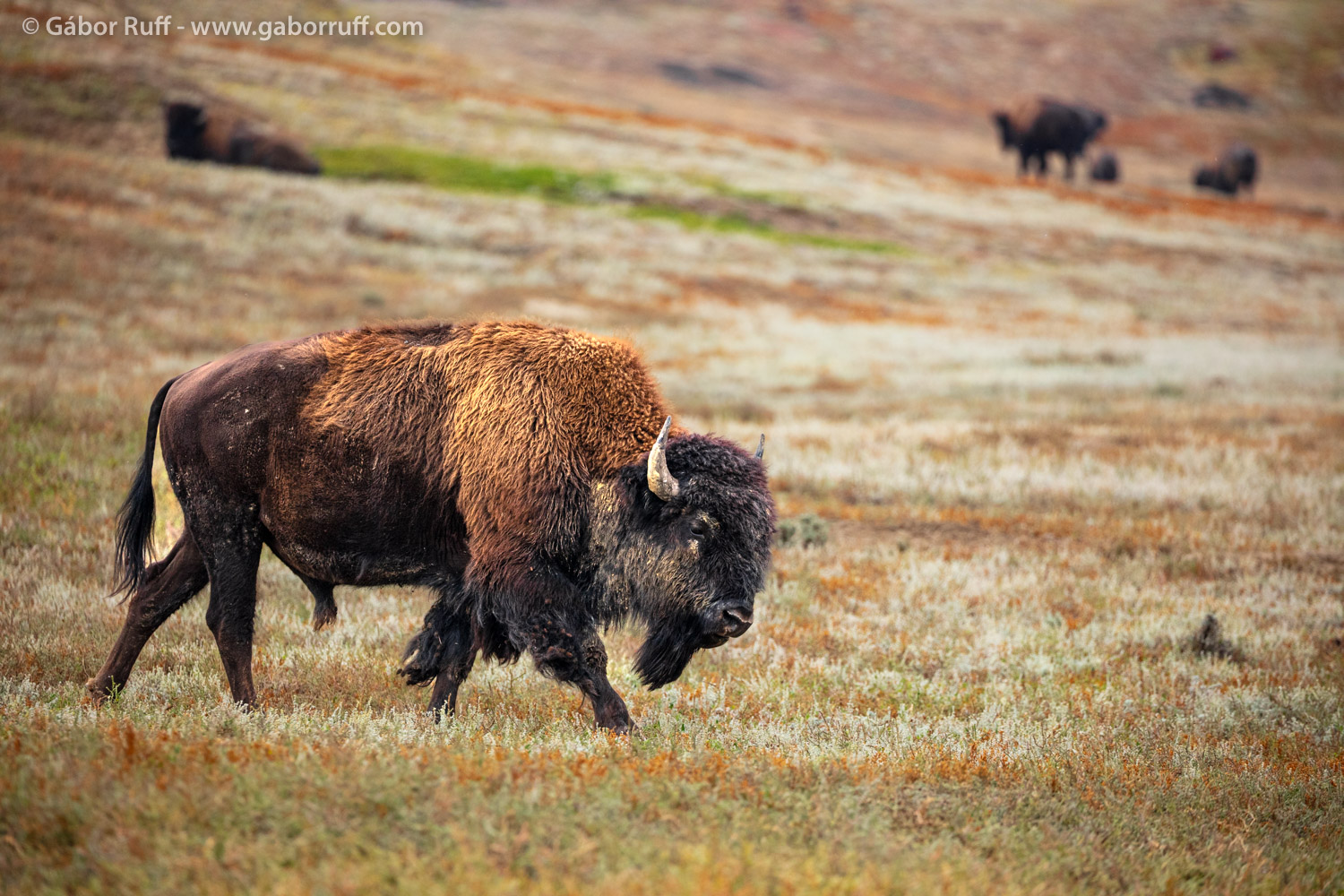
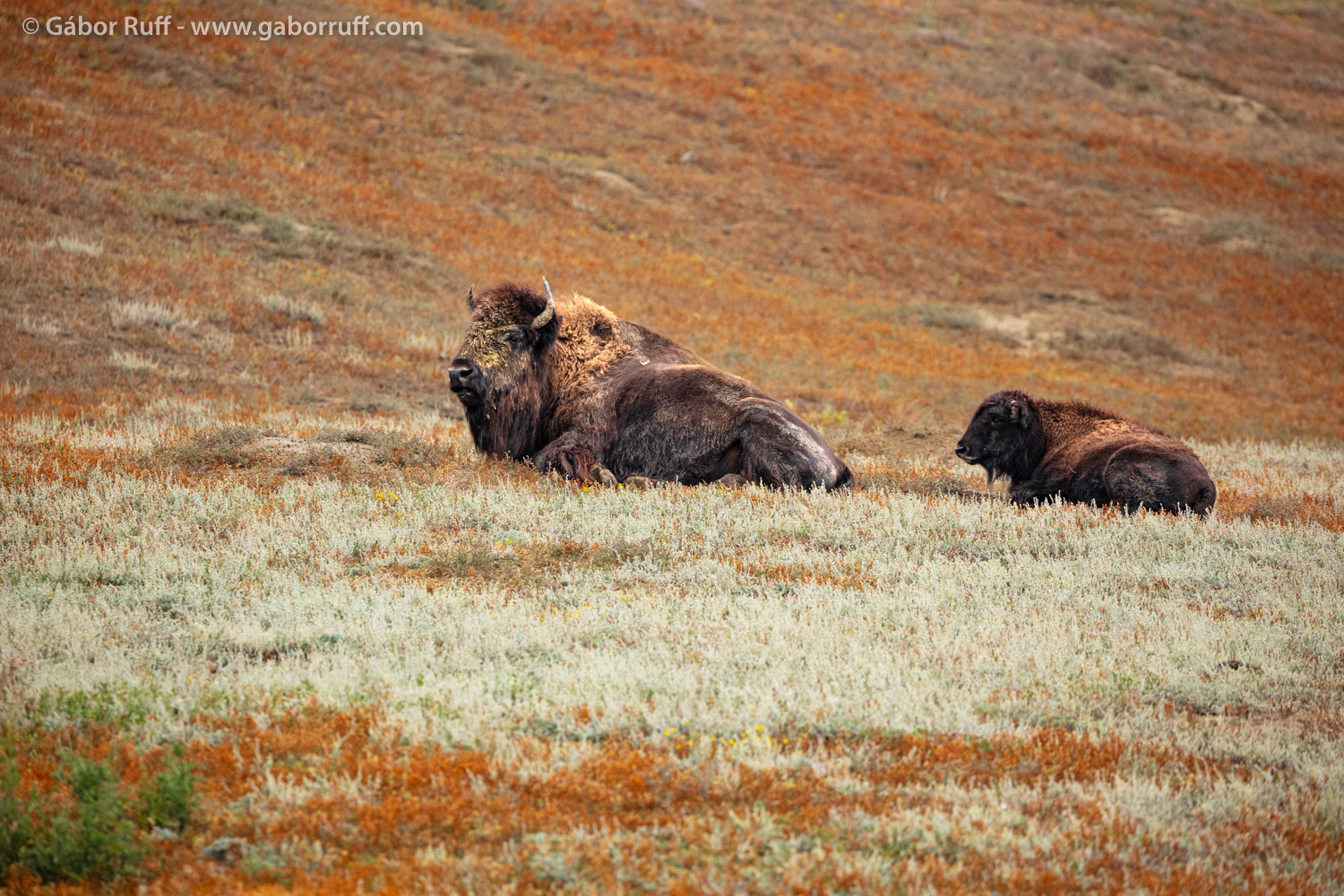
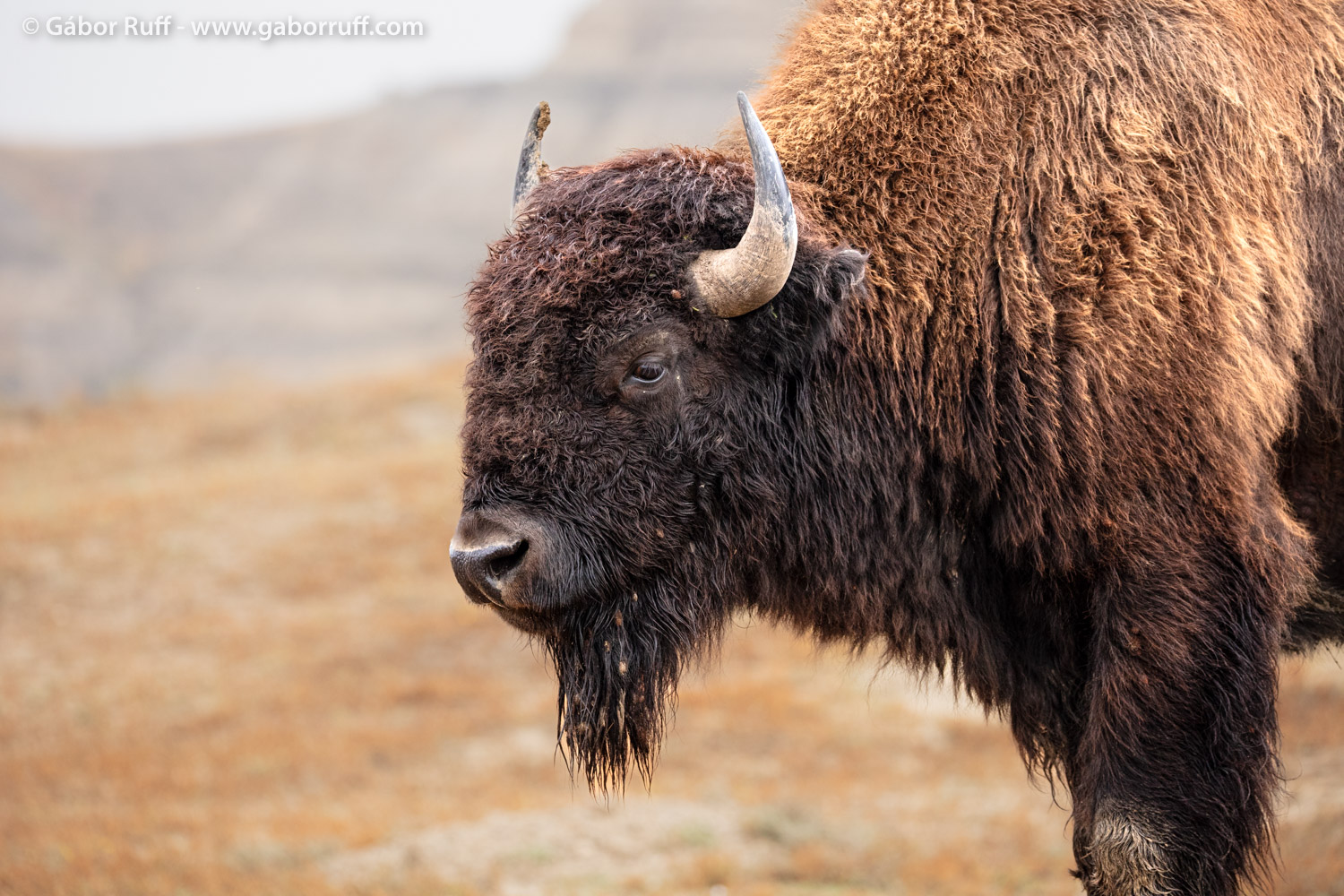
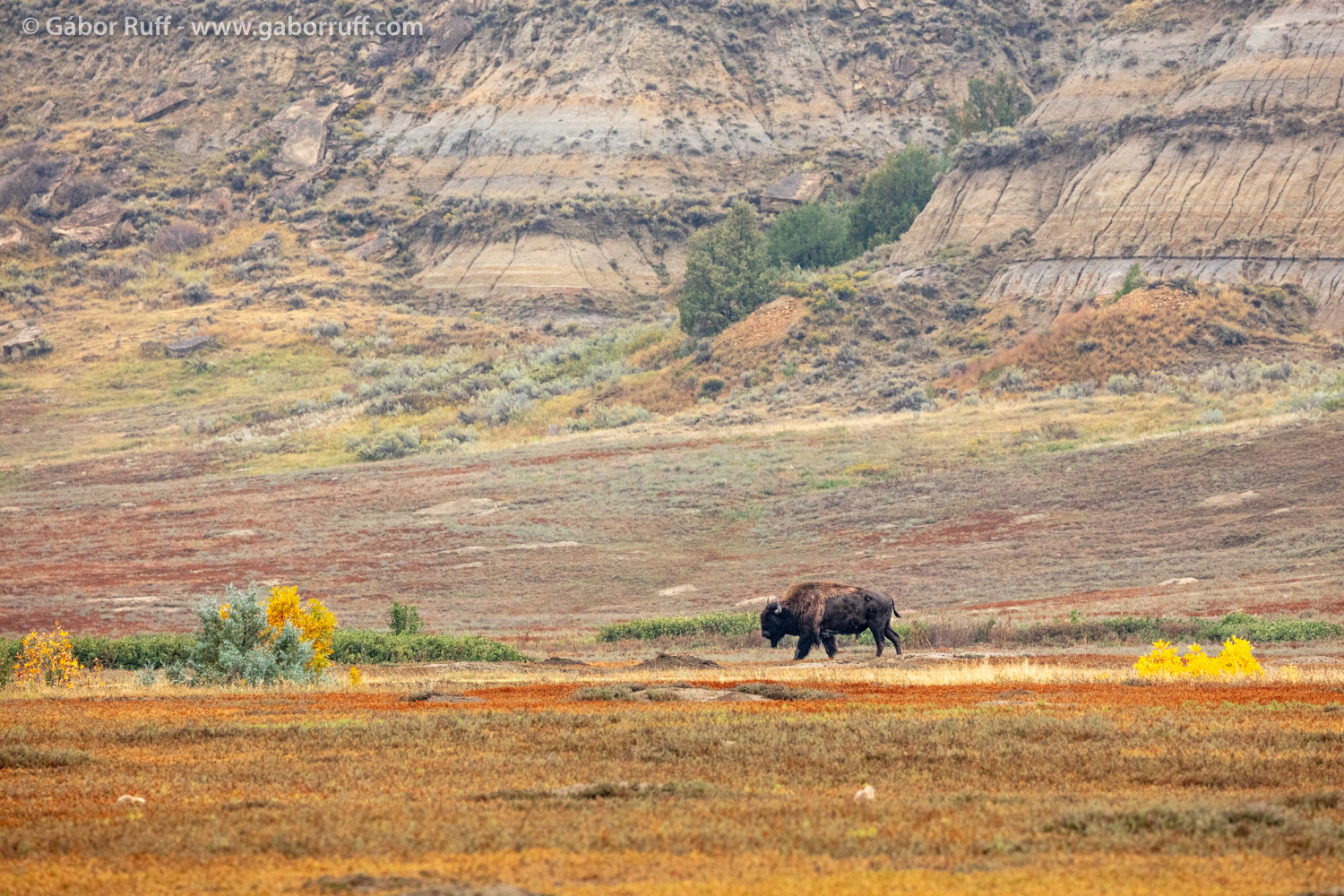
The larger wildlife, such as bison (Bison bison), also show little fear of people, though they value their personal space too. It’s best to observe them from the car; they’re often seen on the roads and don’t seem to mind vehicles. We had several wonderful close encounters with herds on our first afternoon in the park.
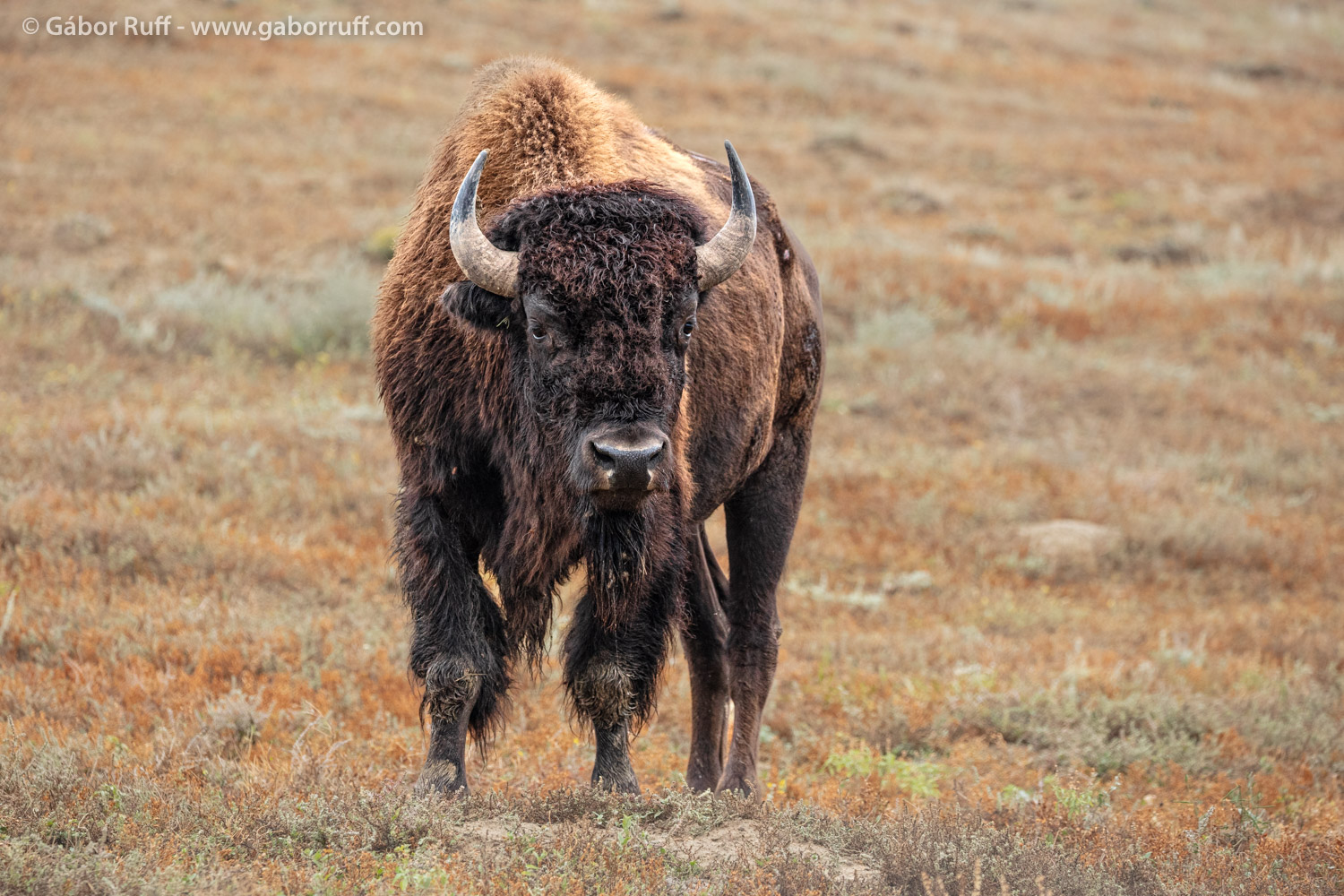
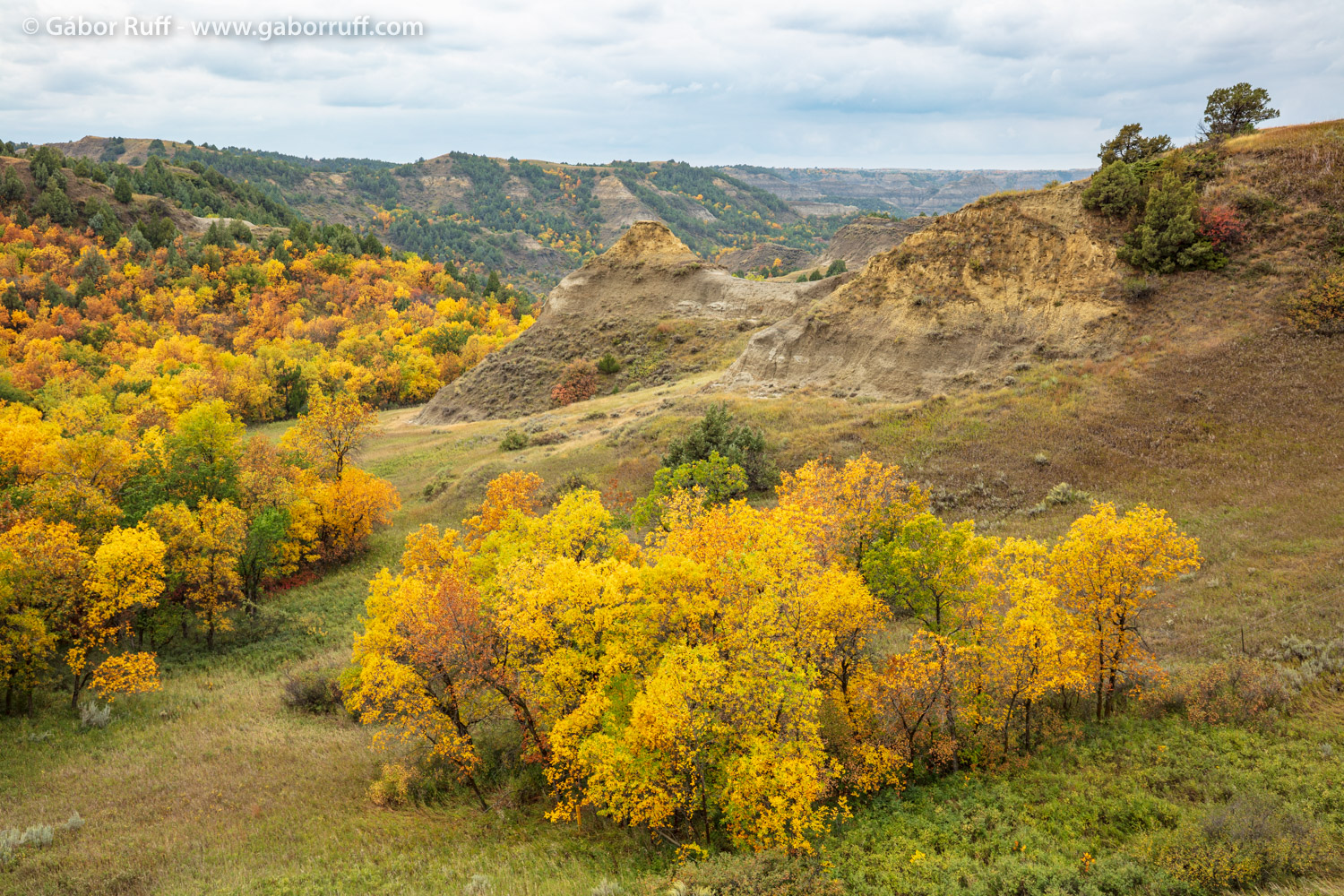
The next morning, we returned to the South Unit for an early wildlife session, then drove to the North Unit—a new adventure for us, since we hadn’t visited that part of the park before. It was every bit as beautiful as the South Unit, but even quieter, which made the experience even more enjoyable. We saw more bison herds and admired the vibrant fall colors spread across the vast badlands. Though it’s more than an hour’s drive from the main area, it was absolutely worth it.
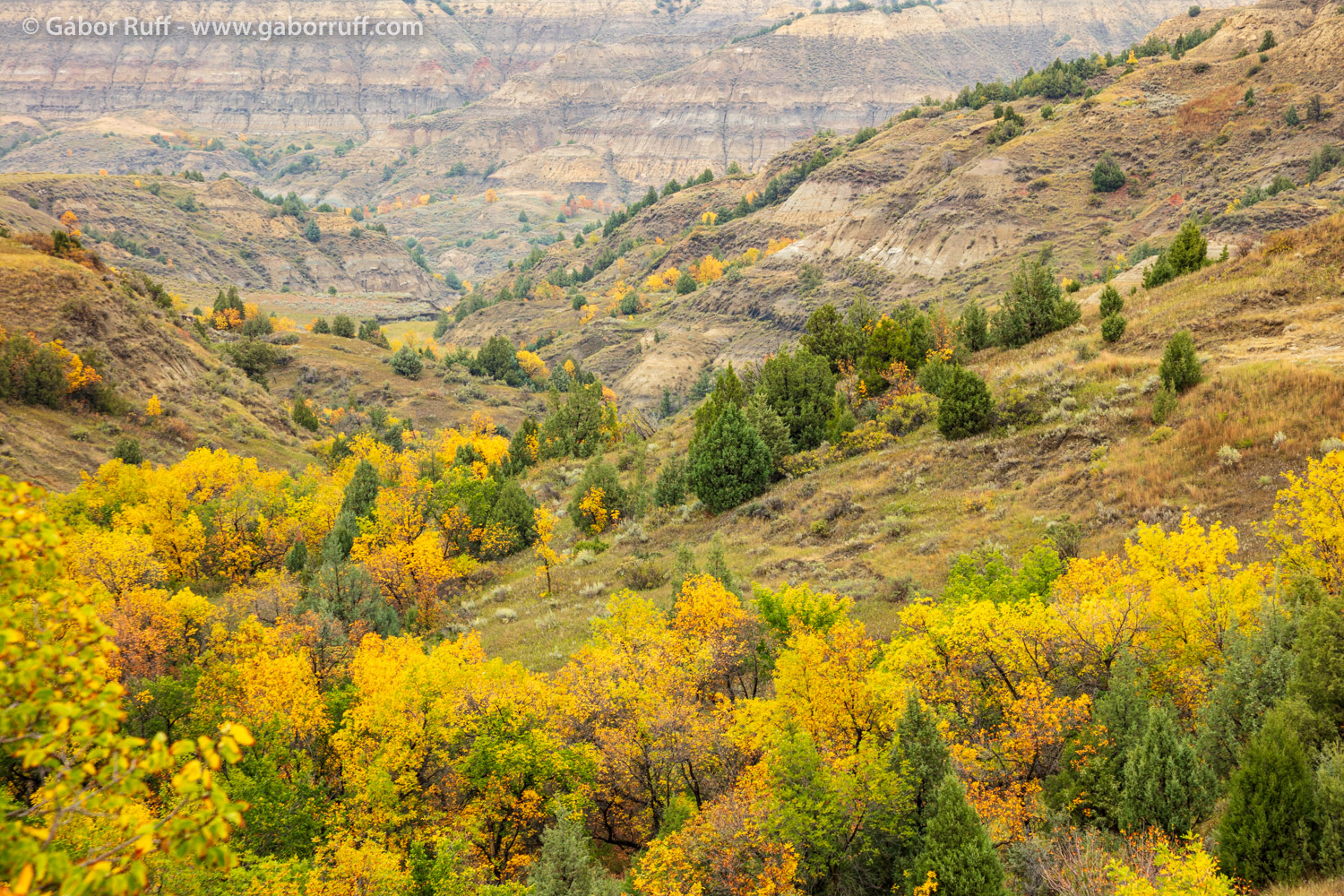
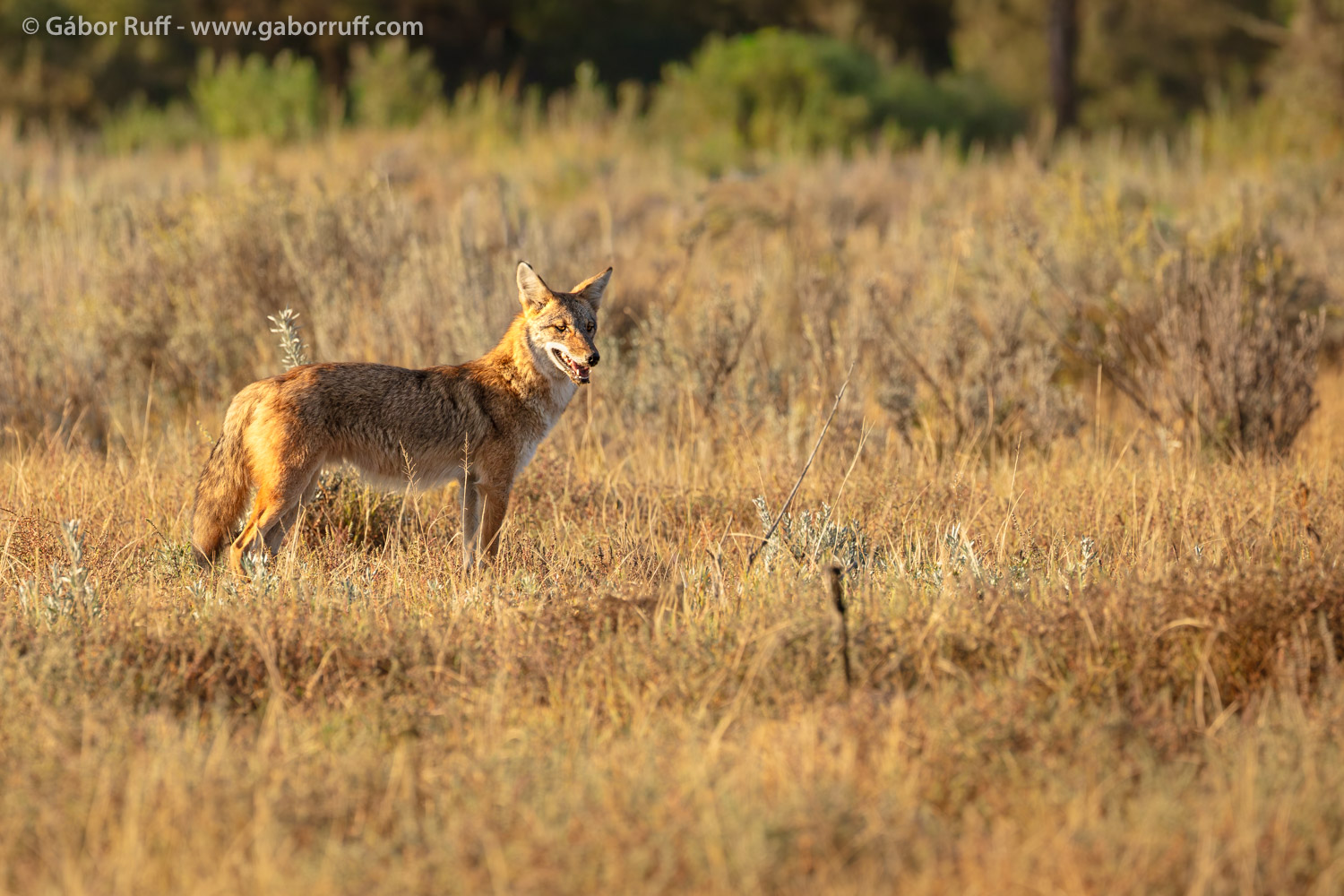
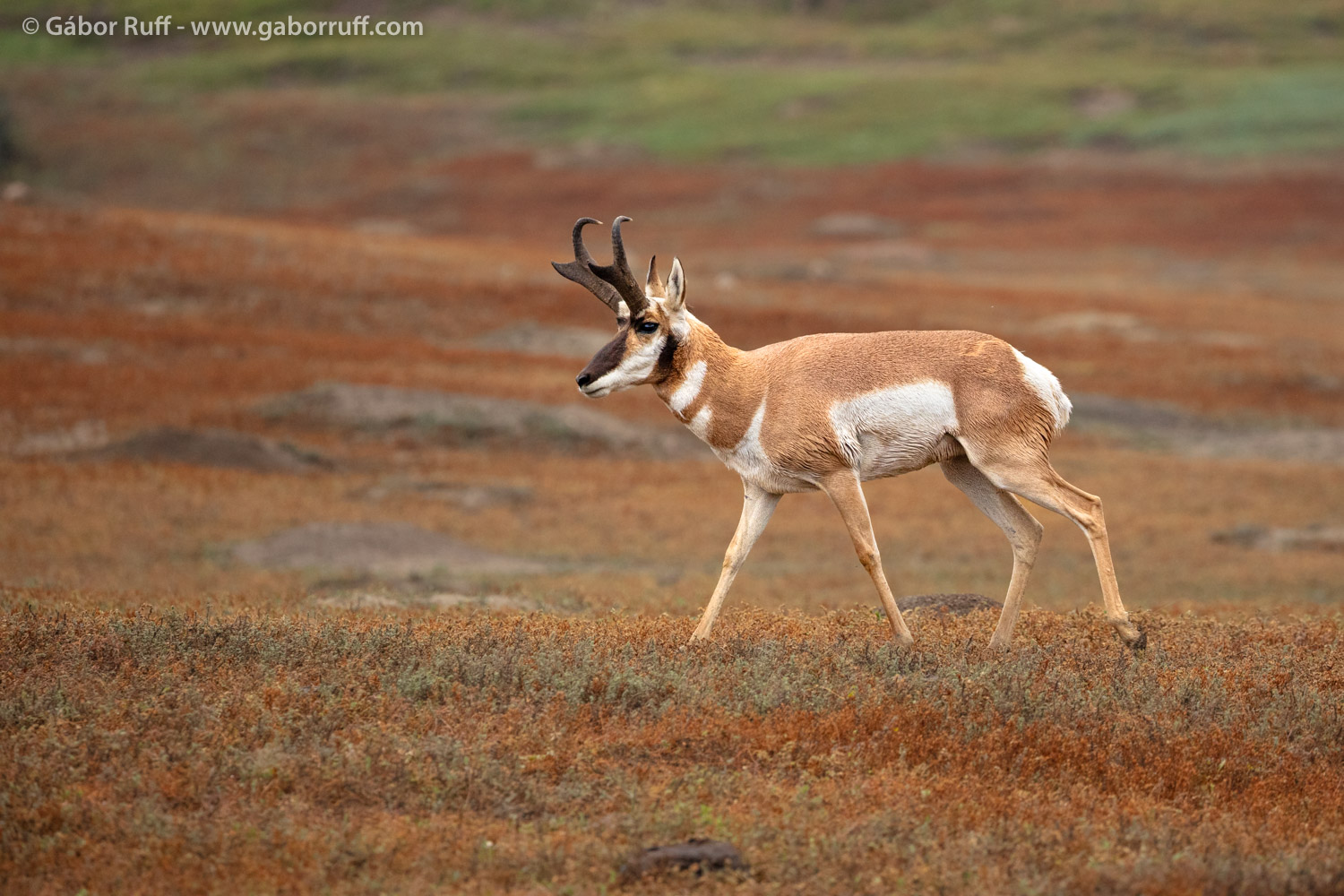
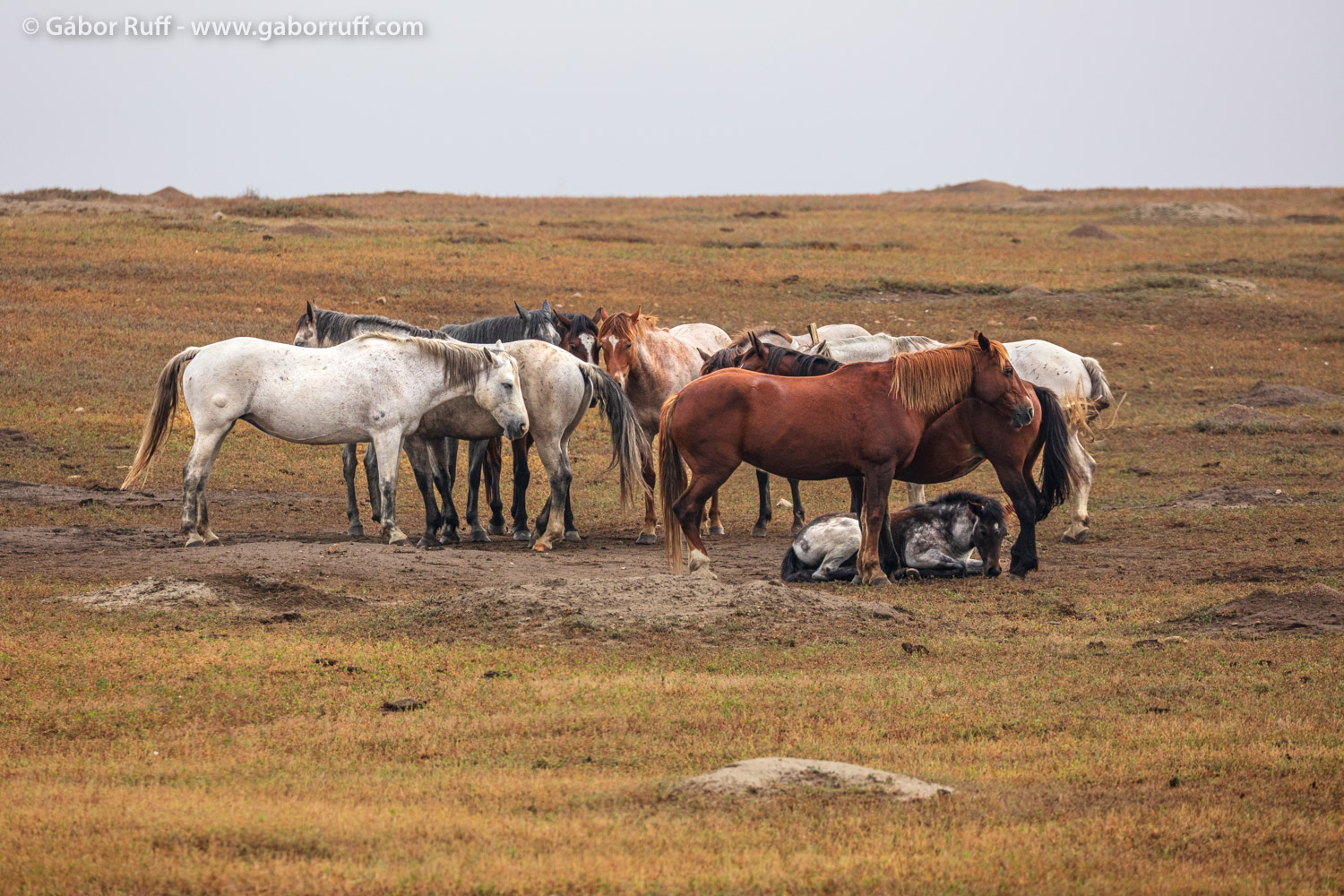
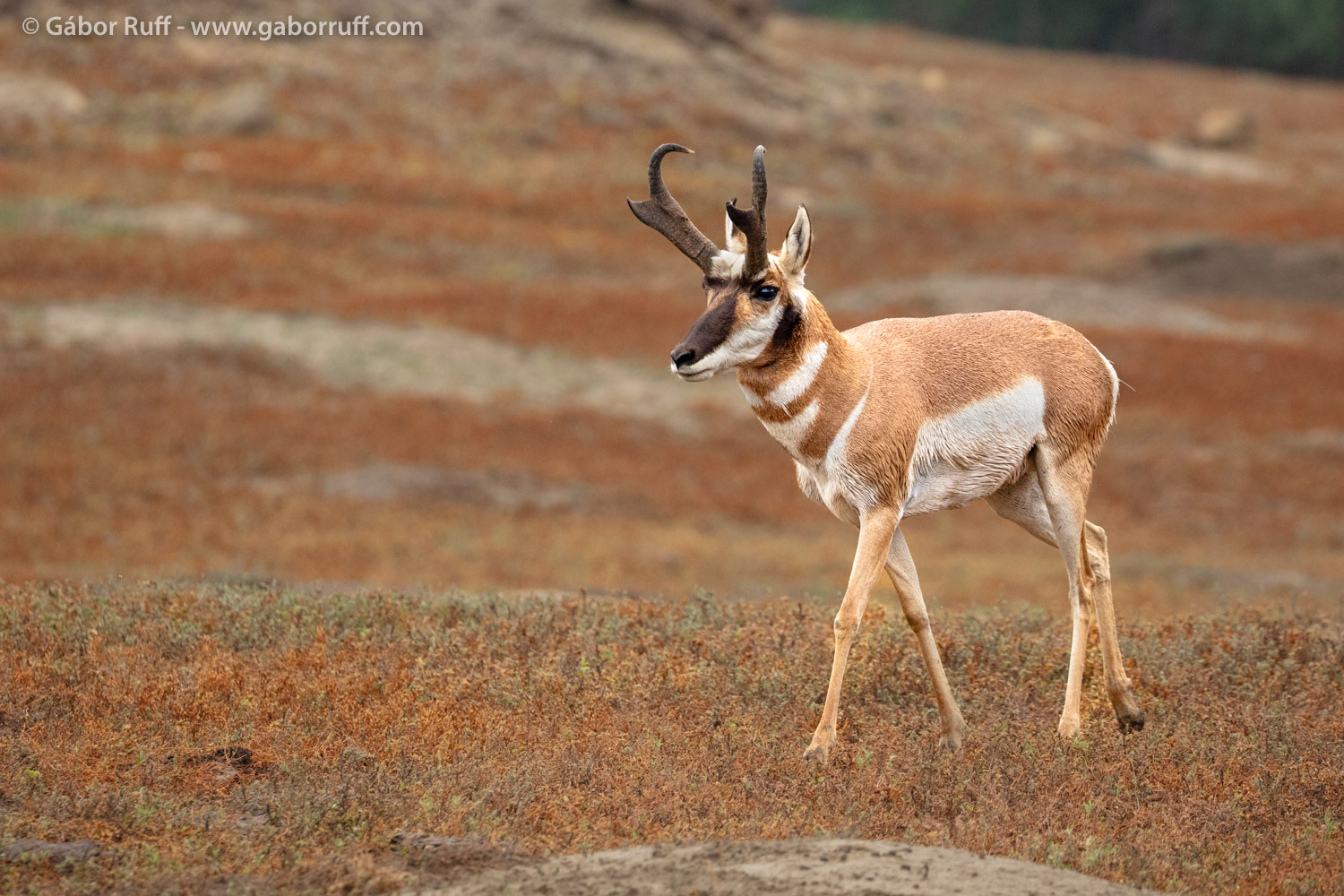
We went back to the South Unit for sunset, which we spent in one of the more remote prairie dog towns. Here, we even saw a coyote (Canis latrans) that unsuccessfully tried to hunt the rodents. The next morning, before leaving the park, we drove the scenic route one last time to say goodbye to the wildlife of the badlands. We saw countless prairie dogs, a huge bison herd, several “wild horses” (actually free-roaming feral horses), and a pronghorn (Antilocapra americana), the fastest land animal in North America. Although, we had spotted several pronghorns during our visit, this time I finally managed to take some close-up shots of this antelope-like animal. Using my favorite wildlife photography technique, I simply sat at a distance where I guessed he might pass by and waited until he came close enough for a few good shots.
Theodore Roosevelt National Park has become our favorite national park in the United States and is only the second one—after Acadia—that we’ve visited more than once. Its beautiful landscapes and excellent wildlife photography opportunities make it a perfect fit for us. As we left the park and began the three-day drive home, we hoped it wouldn’t be the last time we’d see this wonderful corner of the country.
Gear: Canon EOS 5DsR + Canon 24-105mm L lens, Canon EOS 5Ds + Canon 100-400mm L lens.