When discussing landscape photography in America’s national parks, Ansel Adams is impossible to ignore. He remains one of the most influential landscape photographers in U.S. history, if not in the world. Although I am not primarily a black-and-white photographer, I often create monochrome versions of my national park images as a tribute to his legacy. During our recent road trip through the western United States, we visited three remarkable national parks, and the conditions were ideal for black-and-white photography: moody light and dramatic skies, just the way Ansel Adams loved them.
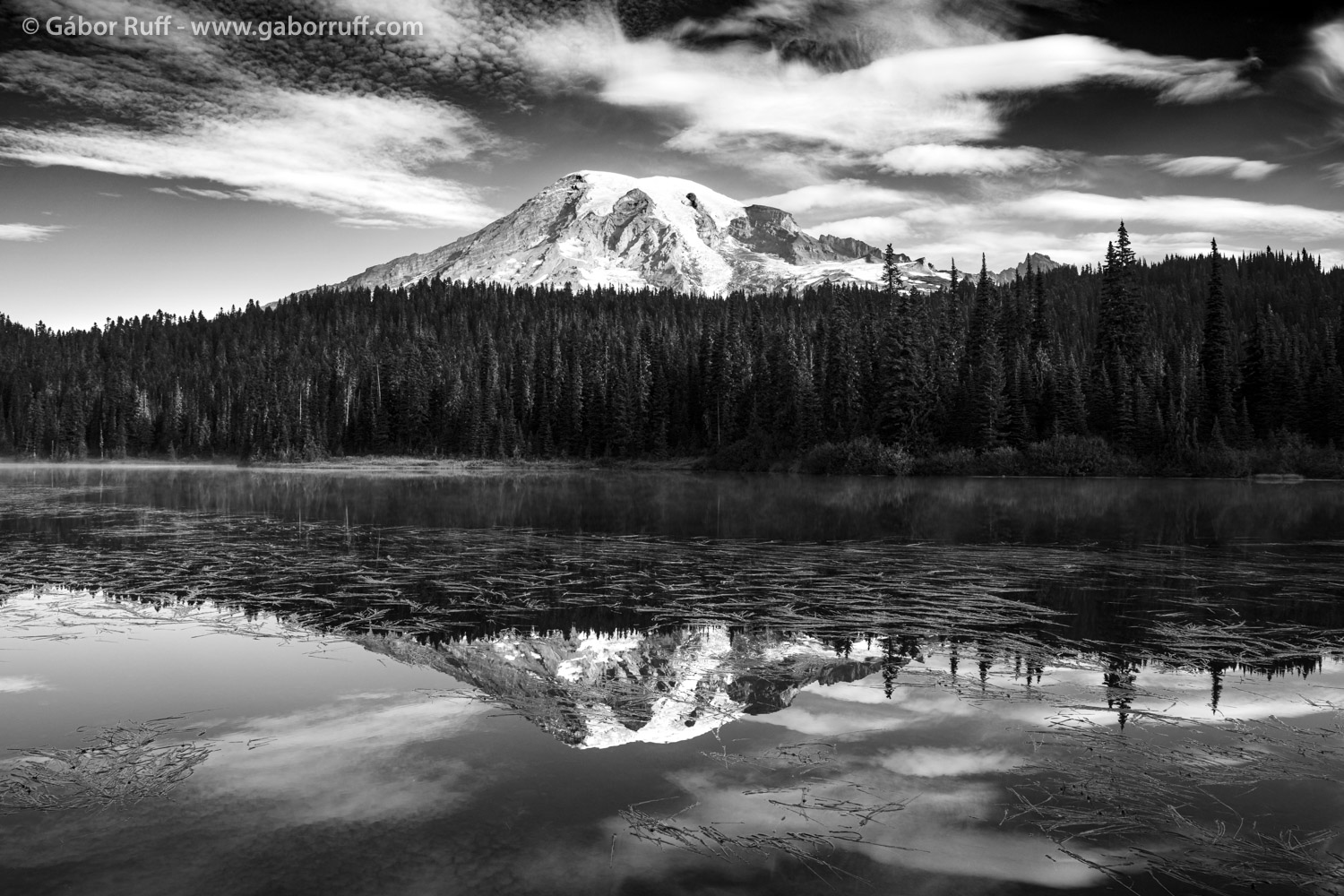
At Mount Rainier National Park in Washington, I chose to process an image captured at Reflection Lake. The photograph was taken with a Canon EOS 5DsR camera paired with a 24-105mm f/4 lens.
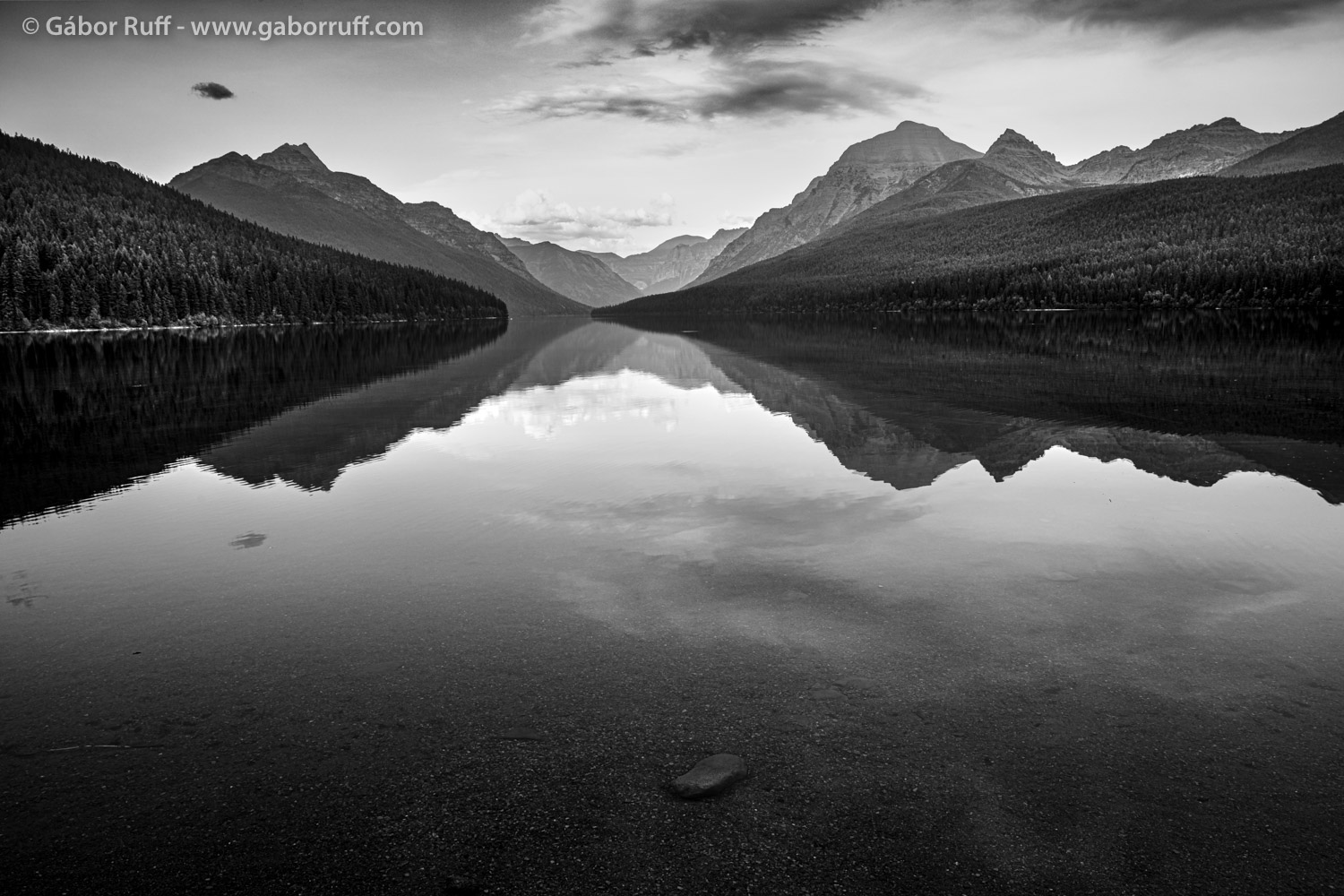
Glacier National Park in Montana offers countless breathtaking scenes. Among the many images I captured there, one from Bowman Lake stood out as particularly well-suited for monochrome. I handheld three exposures (one normal, one underexposed, one overexposed) using the image-stabilized 24-105mm lens on my 5DsR, merged them into an HDR image, and then converted the result to black and white.
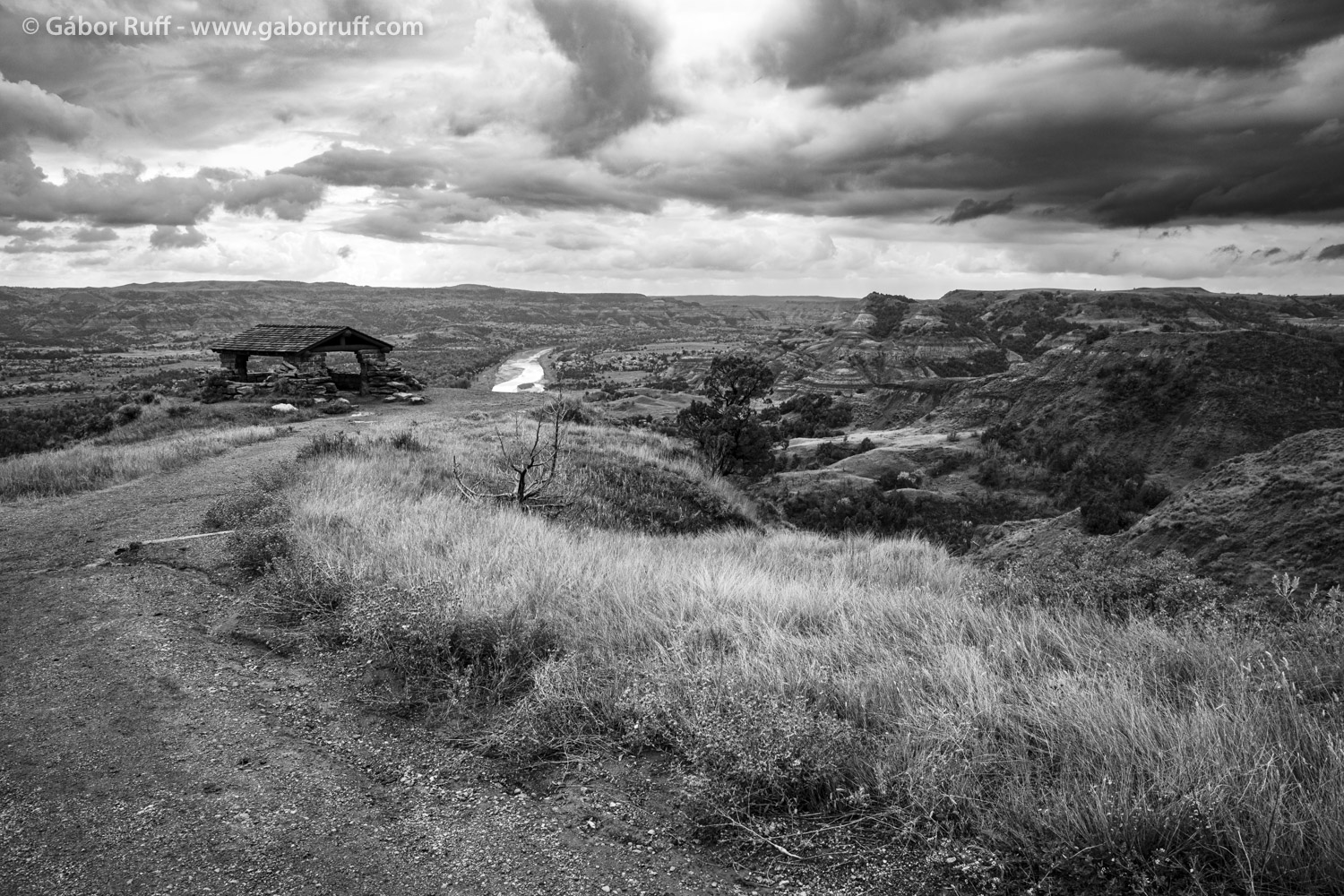
Theodore Roosevelt National Park in North Dakota is another extraordinary location. A spectacular view can be found at River Bend Overlook in the park’s North Unit. The light was somewhat flat for color photography, which is why I didn’t include an image from this location in the gallery I shared last year. In monochrome, however, the scene comes to life with its striking sky. I photographed this image using the same camera and lens as the others and processed all of these photos in Lightroom Classic, applying selective masking techniques reminiscent of the methods Ansel Adams used in his analog darkroom work.